
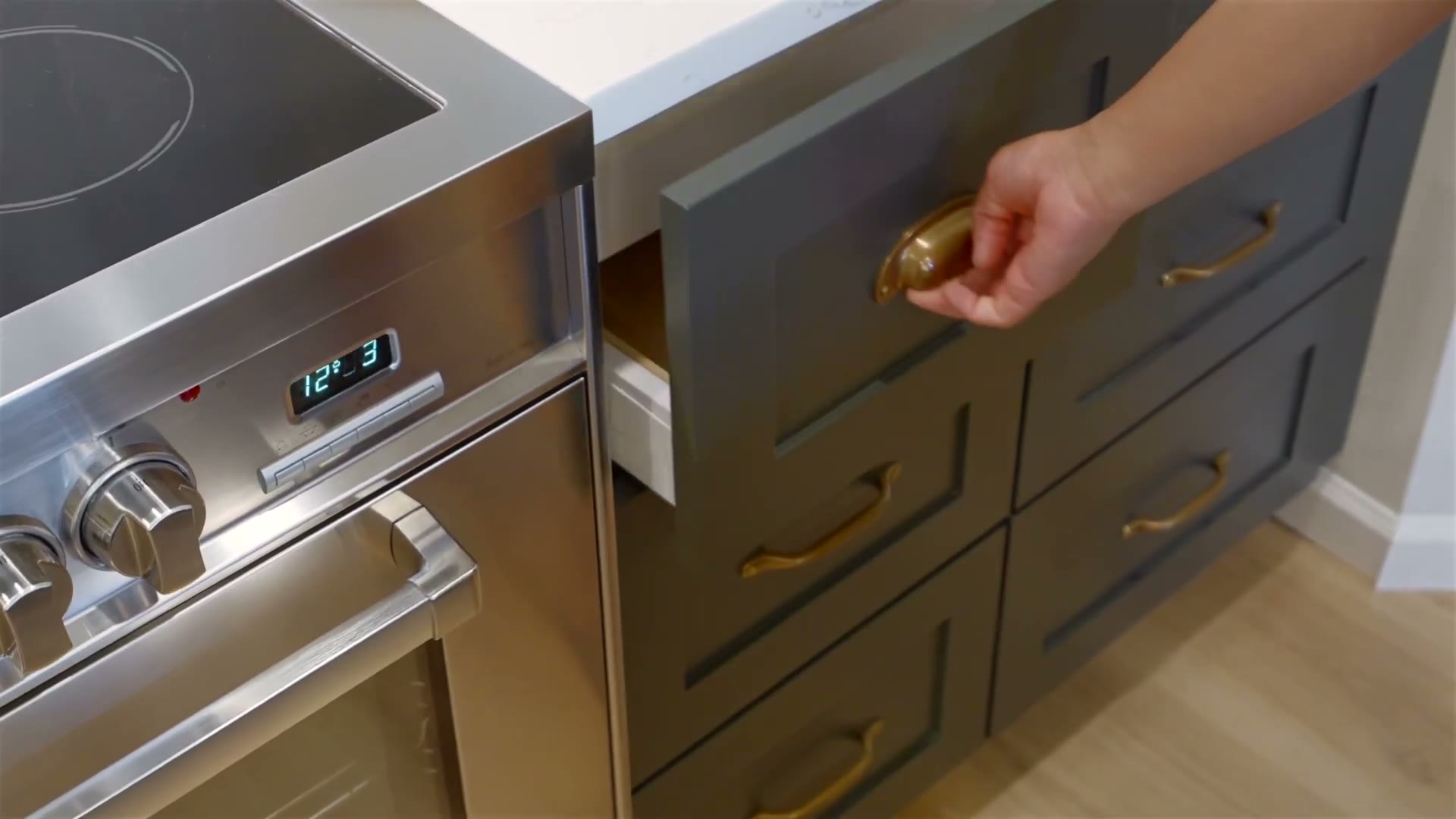
Walk the house like a job, not a model
Operate every door, window, and garage opener. Run water in every fixture. Flip every switch. Look at paint in daylight, not showroom lamps. Check caulk lines, outlet covers, and whether the HVAC actually cools the back bedrooms. New houses fail in ordinary ways: a missing screen, a reversed door, a grade that dumps water at the slab.
Take photos with the room name in the first frame. A punch list without pictures becomes an argument. Leslie will help you keep the list specific: “master bath, left shower valve drips” beats “bathroom issues.”
Outside is half the house in Palm Bay
Grade, swales, downspouts, and the sod line decide whether the first summer storm sits against the block. On scattered lots, the new slab is often higher than the 1970s neighbor. Ask where the water goes. Look at the well head, the drainfield flags, the fence corners, and the driveway slope. Community lots hide some of this behind a typical grade. Scattered lots do not.
A home inspector still belongs on a new house. The punch list is the builder’s incomplete work. The inspection is defects and code questions. They overlap. They are not the same document.
Who owns the list after closing
Get the list signed or emailed by the person who can send trades, not only the salesperson who sold you the elevation. Ask what is required before CO and what is warranty after keys. Paint touch-ups and a mis-hung door are different from a well that was never disinfected or a drain that was never connected.
Scattered builders can be slower after closing because the crew moved to the next lot. Write the follow-up date on the same paper. Leslie stays on that file. A punch list that lives only in a text thread disappears.
What this is not
This is not a Viera amenity-community orientation and it is not a remaining-life estimate on a condenser. It is the walkthrough on the house you are actually buying in Palm Bay. Cosmetic preferences you changed your mind about after drywall are not punch items. Incomplete work is.